
Hotels Locations

more locations
hide locations
inisrael.com travel guide

Search for

Enjoy Israel

HE
Brown Hotel Mahane Yehuda Jerusalem – A fun hip new hotel in the best location in Jerusalem
inisrael.com travel guide

Israel Hotels

Enjoy Israel

Brown Hotel Mahane Yehuda Jerusalem – A fun hip new hotel in the best location in Jerusalem

Jerusalem travel guide

Brown Mahane Yehuda is the fourth hotel in the Brown hotel collection in Jerusalem, brother to Villa Brown, Villa Braun in Moshava and Braun JLM which opened last February. The hotel is Located at 105 Jaffa St. next to the famous Mahane Yehuda market, which in recent years has become the center of Jerusalem’s nightlife and where the best bars and restaurants of the city are located today. The hotel offers a combination of a chic urban atmosphere with local touches inspired by the colorful market.

At the entrance to the hotel, in a spacious space with an industrial design and next to it a green and blooming garden, a chef’s restaurant will soon open, which will turn towards midnight into a sexy cocktail bar that will host a crowd of tourists alongside local revelers until the wee hours of the night.

Already at the entrance to the lobby of Brown Mahane Yehuda, you can see that the entire area has been designed in the atmosphere of the motto Work Hard, Play Harder – a New York design, dim, intimate, the kind that envelops the guest the morning after the party and eases the hangover feeling. Next to the X’s library that has become the hallmark of Brown hotels in Israel and around the world, exposed white and concrete walls covered with heavy golden velvet curtains introduce the guests to the hotel’s unique atmosphere. The lobby of Brown Mahane Yehuda is the perfect place to start the evening before the real departure.

Rooftop
You are invited to go up to the roof of the hotel and enjoy an urban landscape like only Jerusalem can produce.
In the background: music, on the side: a cocktail and around pampering jacuzzi baths.
(The rooftop is active in the spring and summer seasons only)

The hotel rises next to the colorful and bustling Mahane Yehuda market, which in recent years has become a top tourist destination for all culinary and entertainment lovers. Fragrant spice stalls, sweets in glittering cellophanes, jades shouting their wares from afar, artisanal patisserie and boulangerie stalls and a host of restaurants and eateries, from old fashioned wicks to up-to-date chef restaurants. As darkness falls, a host of particularly happy neighborhood bars join the celebration. The many other entertainment centers that Jerusalem offers are also within walking distance: Jaffa Pedestrian Street with its many shops, Davidka Square and the historic Cats Square, the magical Nachalat Sheshiva pedestrian street and the Museum of Tolerance next to it, which is expected to open soon, and of course, the Old City on its walls.

The hotel’s 110 luxuriously designed rooms are all decorated in dark colors and golden touches and are designed to comfortably accommodate individuals, couples and families. The hotel offers 7 types of rooms, all equipped with spacious king-size beds with the highest quality linens, a mini-bar and a work desk. The bathrooms in all rooms are equipped with luxurious rain-fall showers and great bath products.

On the fifth floor you will find the well-equipped gym, which will allow you to keep your heart rate high during your vacation.

You are invited to conduct business as usual and book a place in the well-equipped conference room, located on the first floor.
The room is adapted for up to 16 people, and accommodation and meal packages can be added accordingly.

Our spa team will be happy to offer you a variety of professional treatments that will allow you to recharge your body and mind with new energies. You can book an overnight stay at the Brown Brown Mahane Yehuda hotel as part of a romantic and pampering overnight stay and spa package, by prior arrangement.

Nachlaot Neighbourhood Jerusalem

Nachlaot Neighbourhood Jerusalem

Located in the center of the city, providing a bridge between the uptown feel of Rechavia, to the authentic Machane Yehuda market, is Nachlaot. The old neighborhood provides a unique glimpse to the first days of western Jerusalem The establishment of the neighborhood began back in the 1800s and was made possible thanks to Sir Moshe Montefiore who donated many of the funding for it. Built in the beginning with divided areas for the Ashkenazi and Sephardi congregations, it didn’t take much time until the neighborhood became bigger thanks to the help of new immigrants from Europe and beyond. Most of the buildings from that time still exist today and have signs with pictures and information from the time of their first inhabitants. Mahane Yehuda Market Once occupied mostly by a population of elderly religious people, today, Nachlaot has transformed into an artistic neighborhood attracting students studying in various art schools in Jerusalem. Having said this, Nachlaot, like many of the other neighborhoods in Jerusalem, has become a magnet to many American Jews who are buying property in it for personal use or as an investment. Those who will take a stroll down the streets of Nachlaot, will witness this odd blend of hippies and Yiddish speaking ultra orthodox Jews, all coming back from the market with groceries on Fridays at noon.

Jerusalem's Culture, People and neighborhoods

Jerusalem's Culture, People and neighborhoods

A city which is a celebration of colors, sites and people, a trip to Jerusalem is an exciting journey into many types of cultures, traditions and neighborhoods. Along the history of the city, people of different religions, from all over the world, have set their homes in Jerusalem, making it an exotic place to discover. Many visitors to Jerusalem are drawn to the city's exceptional ambiance and unique aura. The city of Jerusalem consists of three main parts: A View to the Old City The most historical holy part is the walled Old City, where the major sites, the lively alleys and the colorful markets are. The Old City itself is divided into four quarters: The Armenian Quarter, the Christian Quarter, the Jewish Quarter and the Muslim Quarter. A View to the New City Outside the walls is the New City, also known as West Jerusalem. Here is where you can enjoy the vibrant modern metropolis of the active bars and cafes, the malls, the impressive museums and galleries, and the expanding Israeli neighborhoods and industrial high-tech zones. A View to East Jerusalem The third part of Jerusalem is East Jerusalem, populated mostly with Palestinians, presenting a wide range of oriental restaurants, lively shops and inexpensive hotels.

The Holy sites of Jerusalem

The Holy sites of Jerusalem

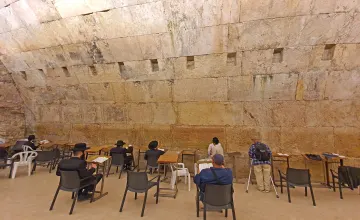
Being the most important city for all major religions, the old city of Jerusalem is probably the most fascinating trip you can make while visiting Israel. The history of Jerusalem combines some of the most important events in Jewish and Christian history alike, and the religious sites spread throughout the city capture the imagination of each and every visitor. The Wailing Wall (the Western Wall) is the first stop for Jewish travelers in the old city of Jerusalem. It is the only remaining part of the ancient temple of King Solomon which has become the holiest spot in Jewish life and an Israeli national symbol as well. The Wailing Wall is where Jewish worshipers pray in a designated area in front of the holy site; mourn over the destruction of the Temple by the Romans, and wish for the return of Israel's former glory. They also write their personal requests from G-d and post it in little notes between the wall's ancient stones. Mount Zion is another Jewish and Christian holy site you wouldn't want to miss. According to Jewish tradition, Mount Zion is the burial place of King David. Today, it is one of the most popular Jewish burial sites in Jerusalem. Mount Zion is very significant for Christians as well: according to Christian belief, it is where the last supper was held, in the building identified as the Coenaculum, which is also where Jesus reappeared after his resurrection. According to Christianity, in this area of the city the disciples and early Christians were living at the time. Beyond its history, Mount Zion offers some spectacular views of the old city of Jerusalem. Jerusalem's vicinity offers several other significant sites for Christian visitors: the nearby Bethlehem, where Jesus was born; the Mount of Olives, where he ascended to heaven, according to Christianity; and the Church of the Holy Sepulcher, which is the first among the Christian shrines in the Old City of Jerusalem, where the resurrection has been celebrated for many centuries as the most sacred place in all of Christendom. Plus there is the Via Dolorosa, the holiest Christian thoroughfare in the world: This path is symbolically reliving the events of the passion, and includes the shrine of the ascension, the Garden of Gethsemane and Mount Zion. The holy sites of the old city of Jerusalem have defined its nature for thousands of years and still reflect its remarkable history and significance. Visiting some of these sites and wondering through the streets and markets of the old city is an experience you will carry with you for many years after visiting one of the most special cities in the entire world.

Jerusalem - one of a kind
Please wait...
  • Please wait while the system searches for you the perfect vacation at the best prices.

Search for

Why Inisrael.com?

  • Book direct - We connect you to the hotels.
  • The best hotel deals in Israel.
  • You pay at the hotel - upon arrival.
  • Credit card for room guarantee, no upfront payment.
  • The first israel booking site since 1996.