Hotels Locations

more locations
hide locations
inisrael.com travel guide

Search for

Enjoy Israel

HE
inisrael.com travel guide

Israel Hotels

Enjoy Israel

The Carmel market

The Carmel market

Attractions travel guide

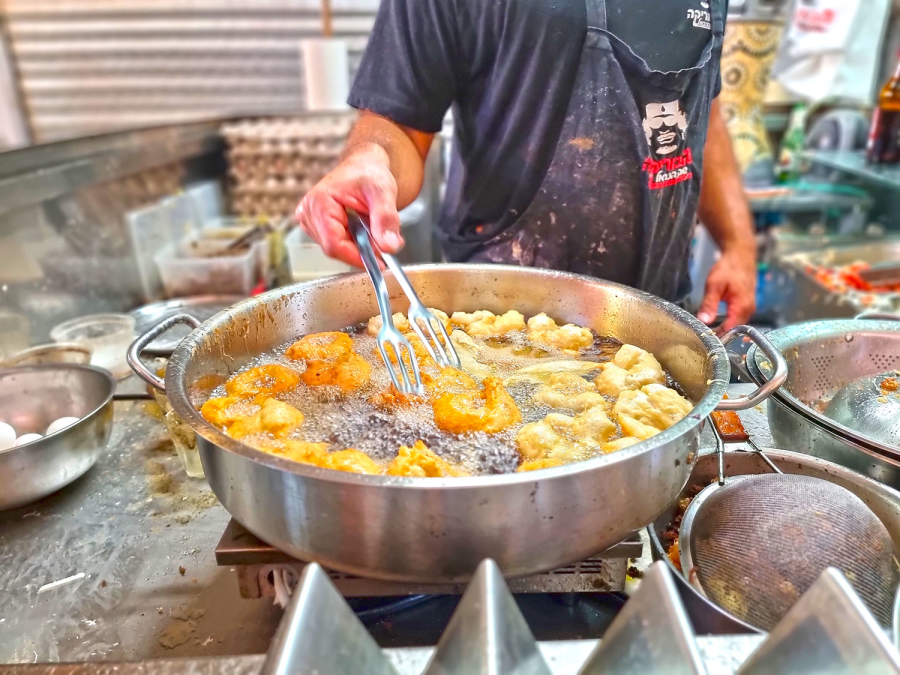
The Carmel Market is the largest open market in Tel Aviv and the best place to buy fresh food and wonder around. Next to the market lies the Yemenite Vineyard, a small neighborhood with charming little streets and typical Yemenite restaurants.

The Carmel Market (Shuk HaCarmel) is the biggest marketplace in Tel Aviv and a fun place to visit. In the Carmel market you can find just about anything for the lowest prices in town, including different kinds of bread, olives, dried fruits, spices and so on. It is also the best place to buy fresh fruits and vegetables, as well as fish and poultry. The clothing section is located next to Allenby Street, and you can surely find there a bargain or two.

Just off the Carmel Market lies one of the most special neighborhoods in Tel Aviv. It is called Yemenite Vineyard (Kerem Hateymanim), originally formed in the beginning of the 20th century by the Jewish immigrants from Yemen. The municipality started renovating this area some 15 years ago, and walking through its narrow alleys and small houses is pretty inspiring. Accept for a walk in these charming little streets, you can make a stop in one of the small neighborhood restaurants. All of them serve traditional Yemenite cuisine, spiced with Hawhyedge, the most characteristic spice in the Yemenite kitchen. The neighborhood is located very close to the sea, so it can be a good stop on your way to or from the beach.

Hotel Metropolitan at 11 Trumpeldor St. is just few minutes walk from the Carmel Market to the north. It is an affordable yet elegant lodging option next to the beach and the city center. Another nice hotel in this area is Sun City hotel at 9 Trumpeldor St., which is very well kept and quite intimate. It has a great location – next to the city’s lively markets and shopping areas, and only 500 meters from the Mediterranean.
Galileo Hotel, located in the heart of the Yemenite Quarter, one of Tel Aviv’s first neighborhoods, is a picturesque hotel which will provide you with all the facilities of a budget accommodation in the best location.

It is easy to find your way around the Carmel Market area using public transportation, because most buses have stops in the central Allenby Street. It is also located right off Shenkin St., which is another landmark you mustn’t miss on your Tel Aviv visit.
Neot Semadar – A Desert Village with a Global Impact

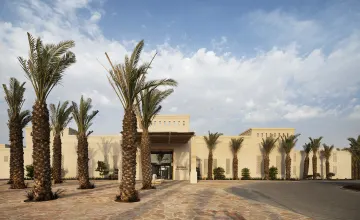
In the heart of Israel’s southern Arava, between Mitzpe Ramon and Eilat, lies Kibbutz Neot Semadar – a desert oasis of creativity, sustainability, and community. Recently, Neot Semadar received international recognition when it was selected by the United Nations World Tourism Organization (UN Tourism) as one of the 250 Best Tourism Villages in the World for 2025. 🏆 A Source of Israeli Pride Being named one of the world’s leading tourism villages is no coincidence. The award acknowledges Neot Semadar’s unique model of community life, desert innovation, and sustainable tourism. Founded in 1989, the kibbutz is home to about 250 residents – families, children, and volunteers from Israel and around the world – and is built on the values of cooperation, listening, and creativity. Israel’s Minister of Tourism, Haim Katz, congratulated the community, saying: “Neot Semadar represents the best of the Israeli spirit – a blend of innovation, sustainability, and community.” Dr. Hanan Ginat, head of the Hevel Eilot Regional Council, added: “This recognition by the UN is a great honor for the southern Arava and for a community that chose to live differently – with vision, sustainability, and creativity.” 🌞 Sustainable Tourism and Desert Innovation Neot Semadar has become a model for ecological and rural tourism worldwide. A visit to the kibbutz is not just a getaway – it’s an inspiring lesson in sustainable living. The community operates with deep environmental responsibility, using renewable energy, desert architecture, and a holistic approach that connects people, nature, and culture. Visitors can explore the House of the Arts, the local winery, eco-friendly guest rooms, and the desert inn, or take part in creative workshops that celebrate the spirit of craftsmanship and mindfulness. 🎨 Art, Food, and Community Connection At the heart of the kibbutz stands the Art Center, where members create works in ceramics, wood, glass, painting, and textiles. The Neot Semadar Winery, housed in a stunning desert-style building, produces high-quality wines crafted with care and love for the land. Guests often describe their stay as transformative. One visitor shared: “They hosted us wonderfully. A perfect place for beautiful photos and special wine tastings made right here.” Others mention the rare quiet, family-friendly atmosphere, and the unique aesthetic that makes Neot Semadar so unforgettable. 🌍 Part of a Global Network of Excellence The UN Tourism Best Tourism Villages initiative honors rural destinations that exemplify excellence in community-based tourism, environmental sustainability, and cultural preservation. Neot Semadar was chosen from over 270 villages across 65 countries, joining an elite network of about 250 rural communities worldwide – all shining examples of locally rooted and innovative tourism. 💫 A Desert Inspiration for the World Neot Semadar is much more than a kibbutz or a travel destination – it’s a story of conscious living. A place where community, art, and nature merge into harmony, showing that it’s possible to create a sustainable, creative, and inspiring life – even in the heart of the desert.

Exploring the Negev and Sde Boker in Israel

Exploring the Negev and Sde Boker in Israel

If you’re looking for a unique, off-the-beaten-path adventure in Israel, look no further than Sde Boker and the surrounding Negev Desert. With its stunning landscapes and rich history, this hidden gem is sure to leave you with memories that will last a lifetime. Here’s why you should plan a trip to the Negev today. What You'll Find at Sde Boker Sde Boker is located in southern Israel, about an hour and a half from Be’er Sheva. It was founded in 1952 by Prime Minister David Ben Gurion who wanted to make the desert bloom. As such, it is home to a kibbutz as well as an archaeological dig site, where visitors can explore ancient stone structures and artifacts dating back centuries. The area also features several trails for hiking and biking, including one which follows the Zin Valley. And if you’re looking for something more relaxing, there are also plenty of nearby nature reserves to explore. History at Sde Boker The area around Sde Boker has been inhabited since prehistoric times and many ancient artifacts have been discovered here. In addition, the area was an important location during biblical times—it was here that Moses and his people passed through on their way from Egypt to Canaan—and this makes it an ideal destination for those interested in religious history. There are even ruins of an old synagogue located near Sde Boker that date back to the Second Temple period (530 BCE–70 CE). The Kedma Hotel Sde Boker There are a variety of hidden gems just waiting to be discovered in the enchanting Negev Desert, thanks to its stunning natural beauty, pollution-free arid climate, and stunning natural beauty. With 163 warm, welcoming rooms and suites in an expansive open-air courtyard surrounded by lush fruit trees and beautiful plants, Kedna is a beautiful awe-inspiring hotel. In the many quiet corners of the grounds, this layout, which evokes days gone by, blends seamlessly with the surrounding scenery and offers a great deal of rest and relaxation. Enjoy the water and shaded areas of this glorious oasis and feel refreshed and rejuvenated when you leave. Additionally, the hotel offers an authentic desert-style restaurant, a luxurious spa with Turkish bath, a peaceful heated pool, a well-equipped fitness room, and plenty of relaxed areas for unwinding after a fun-packed day. Activities Nearby In addition to exploring Sde Boker itself, visitors can take part in all sorts of activities close by. For example, just south of Sde Boker lies Ein Avdat National Park which features beautiful canyons and waterfalls, perfect for swimming or just taking time out to enjoy some peace and quiet away from civilization. Alternatively, those looking for some excitement can head east towards Mitzpe Ramon Crater National Park where they will find numerous caves as well as panoramic views of the desert landscape below them. Or if you're feeling really adventurous why not try skydiving over Eilat? No matter what your interests may be there's something nearby that's sure to pique your interest! Visiting Sde Boker is a fantastic way to get off the beaten path and explore some of Israel’s most breathtaking scenery while learning more about its rich history along the way. Whether you choose to spend your days relaxing among nature or exploring ancient ruins and medieval sites, you’re sure to have an unforgettable experience when visiting Sde Boker and the Negev Desert! So pack your bags now; this is one journey not worth missing!

Discover the Unique Beauty of El Al Stream: A Comprehensive Guide to Hiking in Golan's Scenic Terrain

Unraveling the Etymology of El Al Creek. The captivating El Al stream in the southern Golan winds through the narrow Wadi Dufila canyon, colloquially known as the "Haunted Bush Creek." This picturesque stream spans 20 kilometers, the trek through its alluring central section offering a sight to behold. Adorned with two grand waterfalls, each with their own unique charm and inviting water pools at their bases, Nahal El Al holds the title as the southernmost perennial stream in the Golan region. The "Black Waterfall," a beautiful basalt spectacle, cascades from an impressive height of about 8 meters. In stark contrast, the "White Waterfall" is a limestone structure that flows from an approximate elevation of 20 meters. This year-round stream and its idyllic natural pools are sightseers' delights. The pathway through this wondrous terrain can commence at Moshav Eliad and conclude at the parking lot adjacent to the waterfalls, near Moshav Avni Itan. Alternatively, the journey can be experienced in reverse order. Strollers can enjoy a route parallel to the stream, teeming with life throughout the year. Exploring the Route Embarking on this journey, you'll descend into the stream as directed by signs, following the red-marked path through an olive vineyard, between hedgerows, and into the gorge that descends from the El Al village ruins. After crossing the gorge, you'll encounter a picturesque viewpoint. It's here where the stream forms a "knee," altering its flow direction from southwest to northwest. Continuing along the red path near the olive grove, you'll descend a white chalk rock slope towards the white waterfall after about 500 meters. Once you near the waterfall, a staircase fashioned from railway sleepers diverts you to the pool at the base of the waterfall. Progressing further to the Black Waterfall, you'll resume your journey along the red-marked path, situated at the top of the white waterfall, and cross the stream. The path meanders alongside the stream, within a thicket of haunted bushes, and ascends slightly after about 500 meters. The path stays a few meters above the gorge, where the white rock gradually transitions to black basalt rocks. As you continue your trek, ensure you follow the "transparent" marking (two white stripes with no color in the middle) towards the black waterfall. This waterfall cascades onto basalt rocks, forming a small pool surrounded by dolav trees that cast a cooling shade. Finally, return to the red trail, cross the stream's shallow bed, and ascend a steep climb back to the parking lot in Moshav Avni Eitan. Geological Wonder The coexistence of a white waterfall and a black waterfall is a truly unique and fascinating spectacle. The Golan's basalt kilhos blanket thick layers of white marine sedimentary rocks. The water first creates a waterfall as it travels beneath the black basalt rock, then continues to cut deeper until it reaches the sedimentary rocks beneath the basalt, forming a second waterfall. Note: Swimming in the creek pools is undertaken at the swimmers' own risk. Given the route's length, it's recommended to arrange transport at the endpoint. You can return to the starting point via a 3.5 km boardwalk connecting Eliad and Avni Eitan. Travel and Safety Guidelines: In the Golan, adherence to the marked path is critical; crossing fences or straying off the path can lead to dangerous minefields. Never venture into areas designated for army shooting training! Always pass through cattle fences at designated points, opening and closing gates as needed. Avoid climbing or cutting fences, and exercise caution when crossing or walking on roads. Overnight stays are only permitted at designated sites, and fires should never be left unattended or lit under trees. Toilet paper should not be burned, and all trash should be taken with you to preserve the natural beauty of the area.

Israel's favorite attractions
Please wait...
  • Please wait while the system searches for you the perfect vacation at the best prices.

Search for

Why Inisrael.com?

  • Book direct - We connect you to the hotels.
  • The best hotel deals in Israel.
  • You pay at the hotel - upon arrival.
  • Credit card for room guarantee, no upfront payment.
  • The first israel booking site since 1996.