Hotels Locations

more locations
hide locations
inisrael.com travel guide

Search for

Enjoy Israel

HE
inisrael.com travel guide

Israel Hotels

Enjoy Israel

Neve Tzedek Tel Aviv

Neve Tzedek Tel Aviv

Attractions travel guide

This beautiful neighborhood, situated south of the Yemenite Quarter in Tel Aviv, is the first to be built in the new city of Tel Aviv back in 1887.

Today it serves as the city’s most stylish zone, a home for Israeli artists and yuppies. The gorgeous architecture of the old houses, packed within quiet narrow lanes, and the relaxed manner of the neighborhood’s residents, make it highly recommended spending a delightful afternoon around the area.

On your visit, make sure you don’t miss the Suzanne Dellal Center for Dance and Theater, located in the heart of Neve Tzedek and one of the most beautiful cultural centers in the city. Surrounded by lovely gardens and splendid piazza, this complex is a home to two of the best Israeli dance companies, and a host for the most unique performances in town.

Very close to Neve Tsedek is the now renovated Tacahana Complex, an old train station where visitors enjoy a a pedestrians only attraction with shops, cafe’s, restaurants, organic market art galleries and a family fun activities.

Exploring the Historic Streets of Neve Tzedek Tel Aviv

Neve Tzedek Tel Aviv is an iconic neighborhood located in the southern part of Tel Aviv. It was founded in 1887 as one of the very first Jewish neighborhoods outside of Jaffa and soon became a hub for some of Israel’s most prominent artists, writers, intellectuals, and activists. Today, it is widely considered to be a cultural center for Tel Aviv and is home to some incredible attractions like Shabazi Street, known for its quaint cafés and boutiques; Neve Tsedek Square, a popular spot for outdoor concerts; Shalom Tower & Clock Tower, two iconic landmarks; as well as numerous galleries, museums, restaurants and more.

In addition to its cultural attractions, Neve Tzedek also offers visitors a unique glimpse into the past with its preserved 19th century architecture. As you stroll through its cobblestone streets, you’ll find yourself surrounded by red-roofed buildings that evoke memories of days gone by. The quaint atmosphere makes it easy to forget that you’re in one of Israel’s most vibrant cities!

For those looking to explore beyond Tel Aviv’s city limits but still remain close by, Neve Tzedek is conveniently located near major attractions such as Jaffa Port (2 km away), Hayarkon Park (3 km away), and Dizengoff Center (4 km away). Whether you’re looking for an afternoon stroll or an evening out on the town – Neve Tzedek has something for everyone!

So if you ever find yourself in Tel Aviv looking for something special – don’t forget to check out Neve Tzedek! This historic neighborhood offers visitors a unique combination of culture and history coupled with modern attractions like cafes, boutiques and galleries. So grab your camera and get ready to explore – you won’t regret it! With that being said – welcome to Neve Tzedek! We hope your experience here will be unforgettable!

Neve Tzedek Tel Aviv Neve Tzedek Tel Aviv

Exploring the Ancient Herodian Quarter of Jerusalem

There is no other city in the world quite like Jerusalem. This city is so much more than a physical location; it is full of historical and spiritual significance. One of the most remarkable places to explore in Jerusalem is the Herodian Quarter, which dates back over 2000 years and still retains its original architecture from when it was first built. Let's take a journey through this ancient quarter and learn about its fascinating history. The History of the Herodian Quarter The Herodian Quarter was built during the reign of King Herod (37 BCE to 4 BCE). The quarter was located outside the walls of what was then known as the Old City, near today's Damascus Gate entrance. It was intended as a place for wealthy residents to live and enjoy luxurious amenities such as private gardens, public baths, palaces, and temples. The beautiful mosaics that remain today are testament to how impressive this area once was. The quarters were destroyed by the Romans in 70 CE in response to Jewish revolts against their rule. The stones from the quarter were used to build new structures elsewhere in the city. In recent times, however, archaeologists have uncovered some of these ancient stones and put them back together again to give us an insight into what life must have been like during King Herod’s reign. Today’s Visitors Experience - At the moment it is closed for renovations! Today, visitors can explore this ancient site by taking guided tours or simply wandering through on their own accord. The ruins are surrounded by modern-day shops and restaurants which give visitors a unique glimpse into how this part of town has evolved over time. You can also take a trip up onto one of the many hilltops where you will get stunning views over Jerusalem’s rooftops - perfect for those looking for an unforgettable photo opportunity! The Herodian Quarter is an incredible place full of history and culture which offers something special for all kinds of visitors. Whether you’re looking for an educational experience or just want to soak up some atmosphere, exploring this unique part of Jerusalem could be right up your street! So come along and experience first-hand what life must have been like hundreds of years ago during King Herod’s reign!

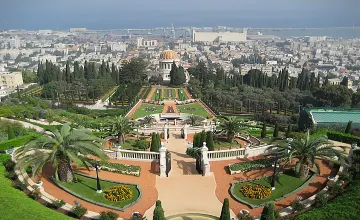
The Baha'i gardens in Haifa

The Baha'i gardens in Haifa

The Baha'i gardens in Haifa are made up of nineteen tiered gardens (terraces) starting at the top of Mount Carmel and ending at its foot. The central axis around which the gardens were designed points towards Acre, a city of great historical and religious significance for the Bahá'ís. In the heart of the gardens stands the temple of the Báb with its golden dome, the resting place of the prophet-forerunner of the Bahá'í religion. The different parts of the gardens offer a variety of views and sensations, but all are united by a common language of gravel paths, designed shrubs and flower beds, which are nurtured and cared for by a dedicated team of gardeners. From the gardens there is a spectacular panoramic view of the city, the Galilee mountains and the Mediterranean Sea. The Bahá'í Gardens are religious sites open to the general public free of charge. As is customary on sites of this type, visitors are asked to dress in modest clothing that covers the shoulders and reaches to the knees and without tears, to help keep the site clean and beautiful, and to behave in a manner that considers the sensitivities of others. Dress Code: Please wear clothes that cover the shoulders and reach to the knees and without tears. Due to the cobblestone paths and sidewalks that can be slippery, we recommend wearing comfortable shoes with good grip. In the summer months, we recommend wearing a hat and applying sunscreen. Photography is allowed, except inside the temples. Food and drinks Visitors are encouraged to bring bottles of water with them. Drinking other beverages, eating food, chewing gum, and smoking are prohibited in the gardens. Main entrance Sderot Zion 80 048313131

Neve Tzedek Tel Aviv Neve Tzedek Tel Aviv

Major archaeological discoveries in Israel

Israel has a rich history, and as a result, there have been many significant archaeological discoveries in the country over the years. Some of the most notable include: The Dead Sea Scrolls: Discovered in the 1940s, these ancient Jewish texts include some of the oldest known copies of the Hebrew Bible. More about Dead Sea Scrolls >> The City of David: Located in Jerusalem, this ancient city dates back to the time of King David and has been the subject of many excavations over the years. More about City of David >> The Masada fortress: A palace-fortress built by king Herod in the 1st century BCE, an ancient fortification in the Southern District of Israel, on top of an isolated rock plateau. The Tel Megiddo: Also known as Armageddon, the site has been excavated since the early 20th century, revealing the remains of many ancient cities built one atop the other. Caesarea: A port built by King Herod in the 1st century BCE, Caesarea has yielded a wealth of artifacts and architectural remains, including an ancient theater and a restored Roman aqueduct. The Herodian Quarter of Jerusalem: This area in the Jewish Quarter of the Old City of Jerusalem was first excavated in the 1970s and has since revealed a wealth of remains from the time of King Herod, including a palace, a market, and an extensive system of underground tunnels. These are some of the major ones but many other sites have been excavated in the area and many more yet to be discovered.

Israel's favorite attractions
Please wait...
  • Please wait while the system searches for you the perfect vacation at the best prices.

Search for

Why Inisrael.com?

  • Book direct - We connect you to the hotels.
  • The best hotel deals in Israel.
  • You pay at the hotel - upon arrival.
  • Credit card for room guarantee, no upfront payment.
  • The first israel booking site since 1996.