Hotels Locations

more locations
hide locations
inisrael.com travel guide

Search for

Enjoy Israel

HE
inisrael.com travel guide

Israel Hotels

Enjoy Israel

Tel Aviv Markets

Tel Aviv Markets

Attractions travel guide

Tel Aviv has a number of markets, offering a unique way to spend time, and the best way to find “real bargains”.

Bezalel Market

Bezalel Market in Tel Aviv is near the corner of King George and Allenby streets. Worth a visit especially because the abundance of picturesque falafel stalls.

Carmel Market in Tel Aviv

The Carmel Market, known in Israel as “Shuk Ha’Carmel”, located close to the new rennovated Hatachana Complex, is the city’s biggest marketplace, and a fascinating, enjoyable place to visit. It is basically one crowded narrow alley with long line of colorful stalls standing on either side, and where vendors proudly (and loudly) presenting their goods. Here you can find almost anything imaginable for the lowest prices in the city, from different kinds of bread and pastry to delicious olives, dried fruits and exotic spices.

Carmel Market It is also the best place to buy the freshest produce, whether it is fruits and vegetables, fish and poultry, cheeses or flowers. The first part of the market, coming from Allenby St, is mostly clothing and footwear stands, where lovely bargains can be found. The easiest way to enter the market is from where Allenby St meets King George and Sheinkin Streets.

However, it is also possible to get to the market from its other end near the Carmelit Bus Terminal. Take bus No 4, 1, 2, or any bus passing through Allenby St, and No 8, 24, 25, or any other going to the Carmelit Terminal.

Flea Market

Flea Market Tel AvivIn Jaffa, where one can find anything from second-hand clothes and shoes to antiques and household utensils, antique and modern furniture.

Tel Aviv Markets Tel Aviv Markets

Exploring the Ancient Herodian Quarter of Jerusalem

There is no other city in the world quite like Jerusalem. This city is so much more than a physical location; it is full of historical and spiritual significance. One of the most remarkable places to explore in Jerusalem is the Herodian Quarter, which dates back over 2000 years and still retains its original architecture from when it was first built. Let's take a journey through this ancient quarter and learn about its fascinating history. The History of the Herodian Quarter The Herodian Quarter was built during the reign of King Herod (37 BCE to 4 BCE). The quarter was located outside the walls of what was then known as the Old City, near today's Damascus Gate entrance. It was intended as a place for wealthy residents to live and enjoy luxurious amenities such as private gardens, public baths, palaces, and temples. The beautiful mosaics that remain today are testament to how impressive this area once was. The quarters were destroyed by the Romans in 70 CE in response to Jewish revolts against their rule. The stones from the quarter were used to build new structures elsewhere in the city. In recent times, however, archaeologists have uncovered some of these ancient stones and put them back together again to give us an insight into what life must have been like during King Herod’s reign. Today’s Visitors Experience - At the moment it is closed for renovations! Today, visitors can explore this ancient site by taking guided tours or simply wandering through on their own accord. The ruins are surrounded by modern-day shops and restaurants which give visitors a unique glimpse into how this part of town has evolved over time. You can also take a trip up onto one of the many hilltops where you will get stunning views over Jerusalem’s rooftops - perfect for those looking for an unforgettable photo opportunity! The Herodian Quarter is an incredible place full of history and culture which offers something special for all kinds of visitors. Whether you’re looking for an educational experience or just want to soak up some atmosphere, exploring this unique part of Jerusalem could be right up your street! So come along and experience first-hand what life must have been like hundreds of years ago during King Herod’s reign!

The Ben Gurion Promenade, a 3.5 km long path overlooking Nahal Zin

The Ben Gurion Promenade, a 3.5 km long path overlooking Nahal Zin

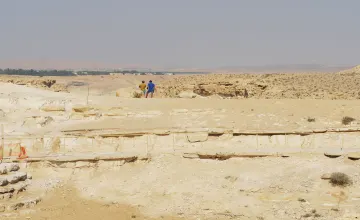
The Ben Gurion Promenade, a 3.5 km long path in Israel, has been inaugurated. It connects the former residence of the first Prime Minister of Israel to his grave overlooking Nahal Tzin and was based on his morning walk. The second and final phase of the project was completed recently, making it accessible to travelers on foot or by bicycle, with benches, drinking fountains, and explanatory signs along the way. The boardwalk was announced by the previous Minister of Tourism as a step towards realizing Ben-Gurion's vision for the flourishing of the Negev. The regional council hopes the promenade will attract more visitors while maintaining peace and cleanliness. The Ben Gurion Promenade is located in the desert area of Sde Boker in Israel. It offers breathtaking views of the Nahal Zin, the Zin Valley, and the Zinin Cliff. Travelers can enjoy a scenic walking route along the cliff, which was the path of Ben Gurion's morning walk. The area is filled with rugged and dramatic landscapes, characterized by cliffs, canyons, and unique rock formations. Along the route, there are several shady corners, benches, and drinking fountains, making it a comfortable place to rest and take in the views. The promenade is designed to pay respect to the legacy of David Ben-Gurion, the first Prime Minister of Israel, and the area is known for its historical significance and natural beauty. The temperatures in Sde Boker, where the Ben Gurion Promenade is located, can vary throughout the year. Summers can be very hot and dry, with temperatures often exceeding 35°C (95°F) in July and August, and occasionally reaching 40°C (104°F) or more. Winters are generally mild, with daytime temperatures ranging from 16°C (60°F) to 20°C (68°F) and cooler nighttime temperatures that can drop to around 5°C (41°F) or lower. Spring and fall tend to be the most pleasant times to visit, with mild and comfortable temperatures during the day and cool temperatures at night. However, visitors should always come prepared for changes in temperature and weather conditions, especially if planning to hike or spend extended periods outdoors.

Uncovering the History of the Herodian Quarter: A Guide to the Wohl Archaeological Museum in Jerusalem

The Herodian Quarter, also known as the Wohl Archaeological Museum, is a popular tourist destination located in the Old City of Jerusalem. This historical site showcases the remains of a wealthy residential area dating back to the Second Temple period. The Herodian Quarter is an important part of Jerusalem's rich cultural heritage and provides visitors with a unique insight into the lives of the city's ancient inhabitants. In this article, we will discuss the history and significance of the Herodian Quarter and how to make the most of your visit to the Wohl Archaeological Museum. History and Significance The Herodian Quarter was discovered in the late 1960s during excavations conducted by Israeli archaeologist Nahman Avigad. The site covers an area of approximately 2,000 square meters and features the remains of several houses and public buildings that date back to the Second Temple period (516 BCE - 70 CE). The Herodian Quarter is named after King Herod the Great, who ruled Judea from 37 BCE to 4 BCE. It is believed that the residential complex was built by Herod for his high-ranking officials and their families. The Quarter is also significant because it was located in the Upper City, which was the political and social center of Jerusalem during the Second Temple period. The Wohl Archaeological Museum The Herodian Quarter is now open to the public as the Wohl Archaeological Museum. The museum showcases the excavated ruins of several homes and public buildings, including a bathhouse, a ritual bath (mikveh), and a dining room. Visitors can also see ancient household items such as pottery, glassware, and coins, which give insight into the daily life of the residents of the Herodian Quarter. The Wohl Archaeological Museum is located on three different levels, with each level showcasing different parts of the excavation. Visitors start their tour on the highest level, which features a stunning panoramic view of the Old City of Jerusalem. The second level showcases the residential area, including the dining room, living quarters, and bathhouse. The lowest level displays the ritual bath (mikveh) and public buildings, such as a communal kitchen. Tips for Visiting If you plan to visit the Herodian Quarter and the Wohl Archaeological Museum, here are some tips to make the most of your experience: Book your tickets in advance to avoid waiting in long lines. Wear comfortable shoes, as there are many steps to climb. Bring a camera to capture the stunning panoramic views of the Old City. Take advantage of the free audio guide, which provides detailed information about the excavations. Allow at least an hour to explore the museum fully. Conclusion The Herodian Quarter and the Wohl Archaeological Museum offer a fascinating glimpse into the lives of the ancient residents of Jerusalem. Visitors can see the remains of homes and public buildings, as well as household items that date back over 2,000 years. With stunning panoramic views of the Old City and a free audio guide, the Herodian Quarter is a must-visit destination for anyone interested in Jerusalem's rich cultural heritage.

Israel's favorite attractions
Please wait...
  • Please wait while the system searches for you the perfect vacation at the best prices.

Search for

Why Inisrael.com?

  • Book direct - We connect you to the hotels.
  • The best hotel deals in Israel.
  • You pay at the hotel - upon arrival.
  • Credit card for room guarantee, no upfront payment.
  • The first israel booking site since 1996.