

Discovering Jerusalem in Late 2025: A Winter Wonderland of History and Lights
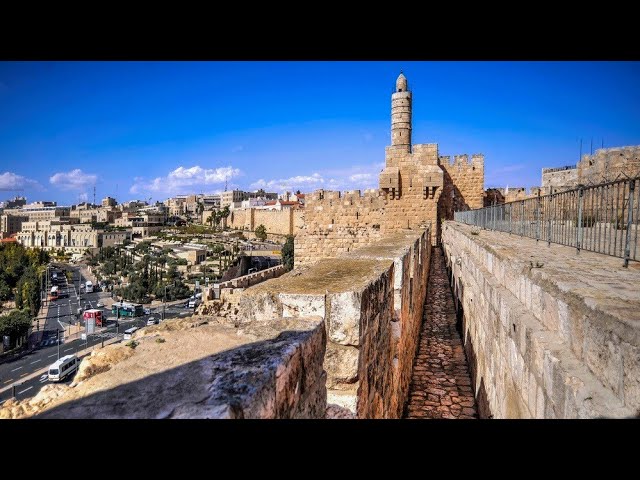
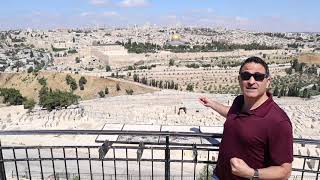
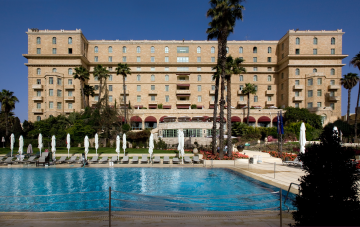
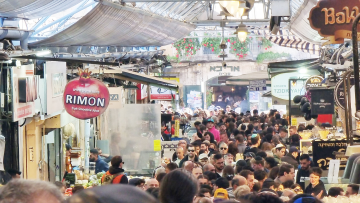
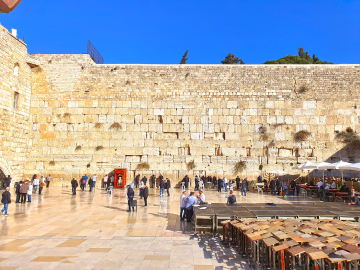
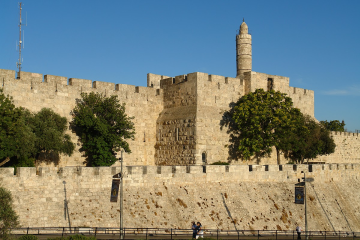
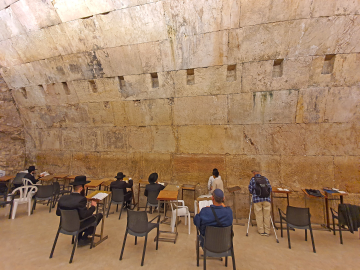
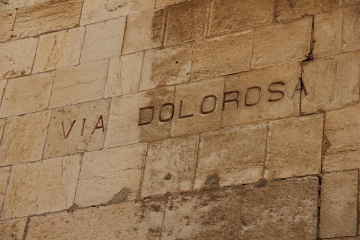
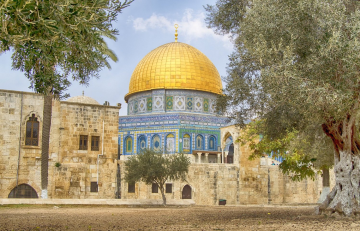
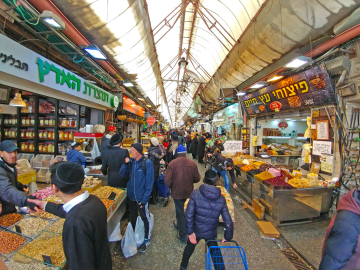
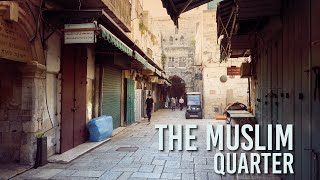
Hey wanderlusters! 🌟 If you're plotting your next adventure, let me sell you on Jerusalem in November-December 2025. This ancient city, where faiths collide and stories echo from every stone, transforms into a cozy, mystical escape as winter whispers in. Think crisp air (daytime highs around 15-20°C/59-68°F in November, dipping to 9-14°C/48-57°F in December), fewer crowds than summer, and that rare chance of a light snow dusting the golden domes—pure magic without the Arctic freeze. Pack layers, comfy walking shoes, and an open heart; this is the Holy Land at its most intimate. Why Now? The Perfect Season for Soul-Stirring Exploration November kicks off with mild vibes ideal for hiking the Judean Hills or floating effortlessly in the salty embrace of the Dead Sea (yes, even in cooler weather—it's therapeutic!). By December, the city glows with holiday spirit, blending Jewish, Christian, and multicultural festivities. Rain might sprinkle (bring a light jacket), but it clears to reveal rainbows over olive groves. Bonus: Flights and hotels are wallet-friendly post-summer rush, and the cultural scene ramps up with indoor concerts and markets. Pro tip: Base yourself in the Old City or trendy Mahane Yehuda for easy access to it all. Must-Do Highlights: From Sacred Sites to Street Feasts Wander the Old City Labyrinth: Start at the Western Wall for a moment of quiet reflection, then trace Jesus' footsteps along the Via Dolorosa to the Church of the Holy Sepulchre. In December, twinkling lights and carol echoes make it feel like stepping into a living nativity. Sunset views from the Mount of Olives? Unbeatable. Indulge in Mahane Yehuda Market: Jerusalem's bustling foodie hub bursts with halva, fresh falafel, and seasonal sufganiyot (jelly donuts). Evenings turn into a party with live music—grab a craft beer and people-watch. Hike or Chill in Nature: November's the sweet spot for trails like Ein Kerem's blooming valleys or a dip at Ein Gedi oasis. If snow teases Jerusalem (fingers crossed!), it's a short hop to Mt. Hermon for beginner-friendly sledding. Cultural Deep Dive: Catch a show at the Jerusalem Theatre or browse the Israel Museum's Dead Sea Scrolls exhibit. For a quirky twist, join a graffiti tour in nearby Tel Aviv for a day trip. Jerusalem Oud Festival Mid-November (exact dates TBD, ~Nov 13-22)Immerse in haunting Arabic string music at venues like the Yellow Submarine. Perfect for culture buffs—pair with a shawarma dinner. Pianos in Jerusalem Festival Mid-November (TBD)Free outdoor piano pop-ups across the city. Stumble upon impromptu concerts in parks or plazas; family-friendly and utterly charming. Hanukkah Celebrations Dec 14-22 (starts at sundown Dec 14)The Festival of Lights lights up the Old City and Nachlaot neighborhood with menorahs glowing in windows. Join public lightings at the Western Wall or Mamilla Mall, munch sufganiyot, and spin a dreidel. It's Jerusalem's cozy answer to holiday cheer. Christmas Markets & Tree Lightings Late Nov-Early Dec (e.g., tree lighting ~Nov 30; markets Dec 15-25)Stroll festive stalls at the Old City's New Gate or YMCA Bazaar (Dec 6-8). Grab mulled wine, crafts, and carols—less commercial, more authentic. Christmas Eve & Day ServicesDec 24-25M idnight Mass vibes at the Church of the Holy Sepulchre or Dormition Abbey carol concerts. For the full pilgrimage, day-trip to Bethlehem's Manger Square (tours from Jerusalem ~$50-100). Winter Lights at Jerusalem Botanical Gardens Throughout December Twinkling installations among exotic plants—romantic evening strolls with hot cocoa. Entry ~20 ILS; great for photos. New Year's Eve Parties Dec 31Ring in 2026 with rooftop bashes in downtown Jerusalem or a chill countdown at bars in the German Colony. Fireworks over the city walls? Yes, please. Events Spotlight: Festive Gems for Every Traveler November-December 2025 is event heaven—think lights, music, and multicultural cheer. Here's a curated list of tourist-friendly highlights (dates based on confirmed calendars; double-check closer to travel as some are TBD):